
Toyota-backed youth winners visit Japan to learn sustainable environmental management
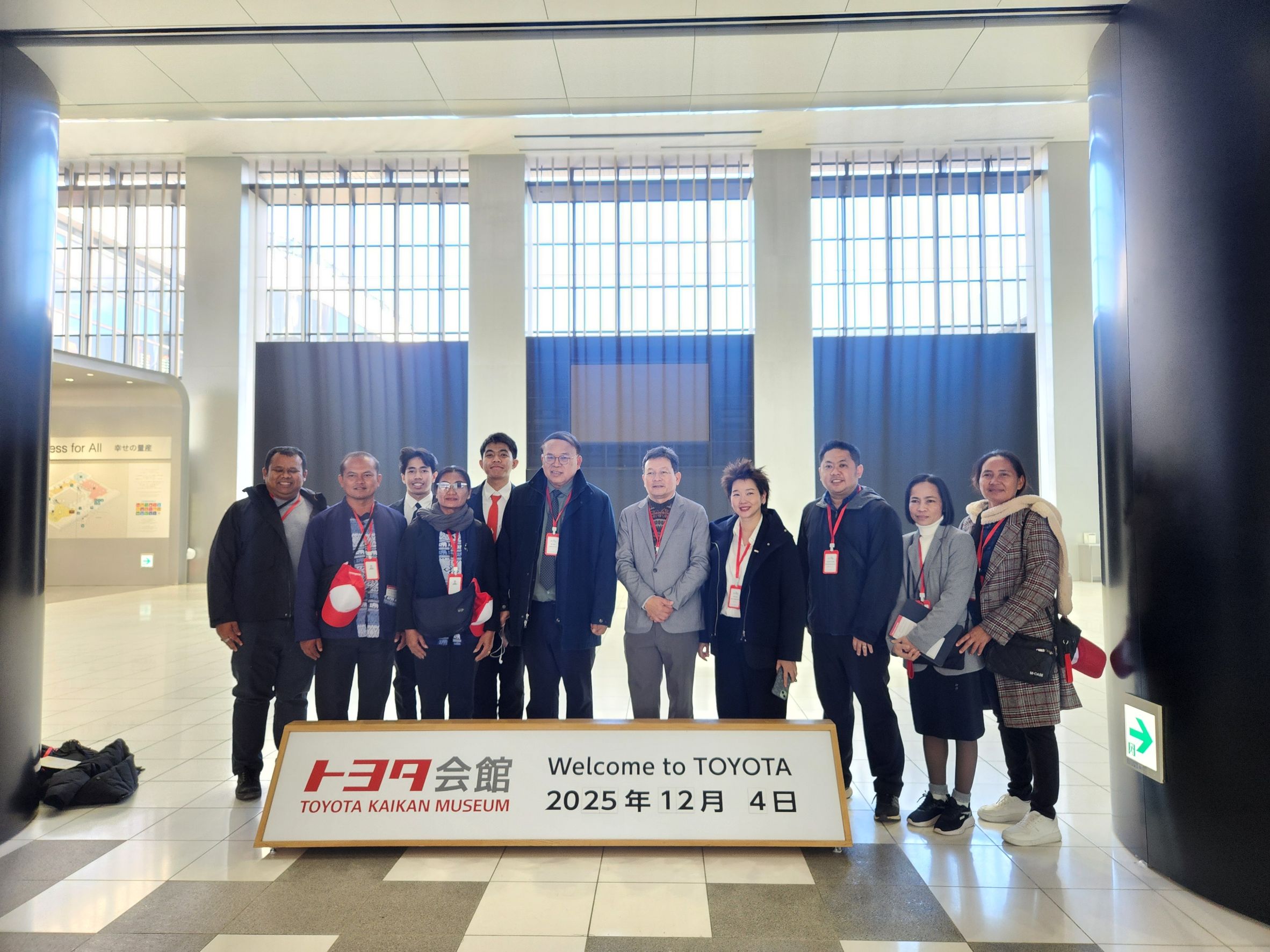
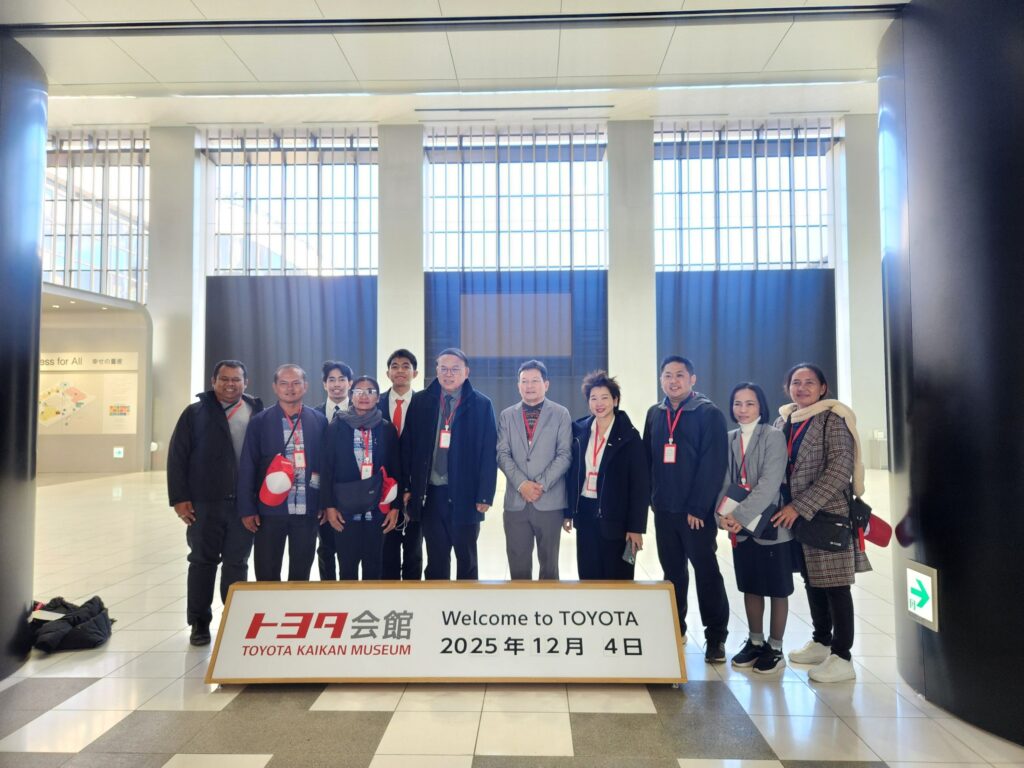
TOKYO / AICHI / SHIZUOKA, Japan — 3–6 December 2025 — A group of Thai youth innovators has travelled to Japan as part of the “Reduce to Change the World with Toyota” programme, an initiative led by Toyota Motor Thailand in partnership with the Thailand Environment Institute and Thailand’s National Science and Technology Development Agency (NSTDA), through the National Nanotechnology Center (NANOTEC).
Organisers said the study visit was designed to give the second-year winners of the programme’s youth environmental innovation competition hands-on exposure to real-world approaches to sustainability. The goal, they added, is to help participants build systems-level understanding — from ecosystems and water management to waste and clean energy — while strengthening environmental awareness and encouraging young people to identify issues in their own communities and develop practical solutions.
During the four-day programme, the delegation visited several key sites showcasing Japan’s environmental practices:
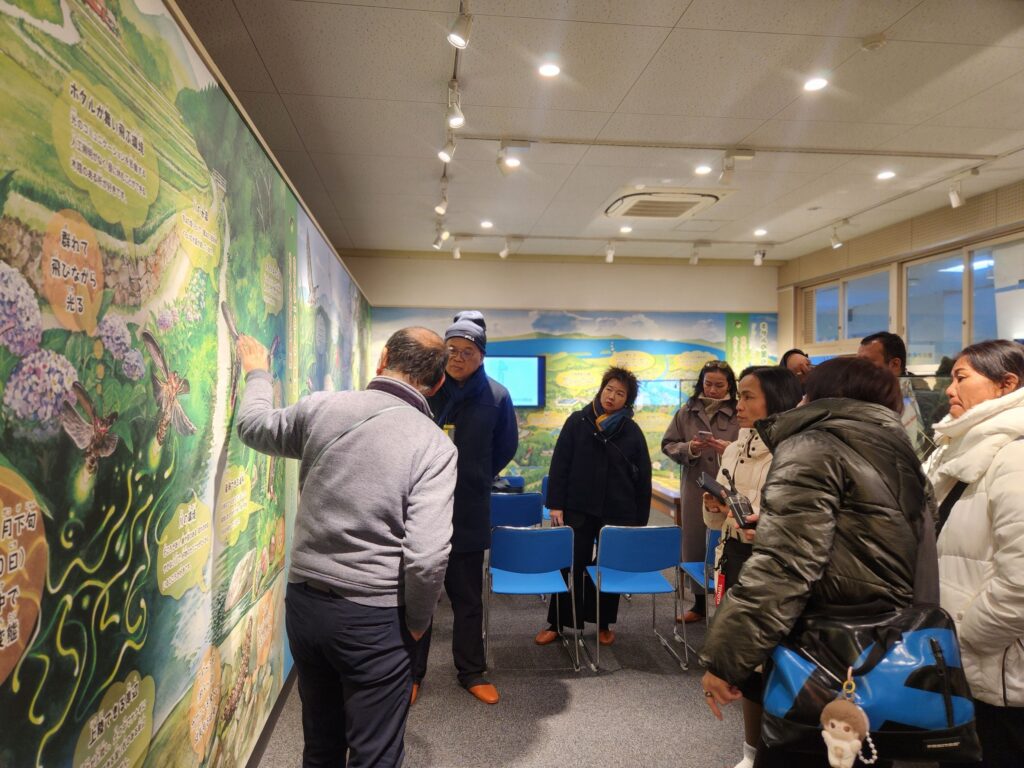
Firefly conservation and ecosystem learning in Okazaki
At the Okazaki City Firefly School in Aichi Prefecture — located in a renovated former elementary school building known as Torikawa Elementary School — participants learned about firefly conservation and the wider environment. Fireflies are widely regarded as indicators of environmental quality, and organisers said the learning activities highlighted the link between clean, chemical-free water, healthy ecosystems and the survival of sensitive species. The centre also serves as a community learning space, introducing younger generations to environmental stewardship and Japan’s emphasis on living in balance with nature.
Flood control and water management in Shizuoka
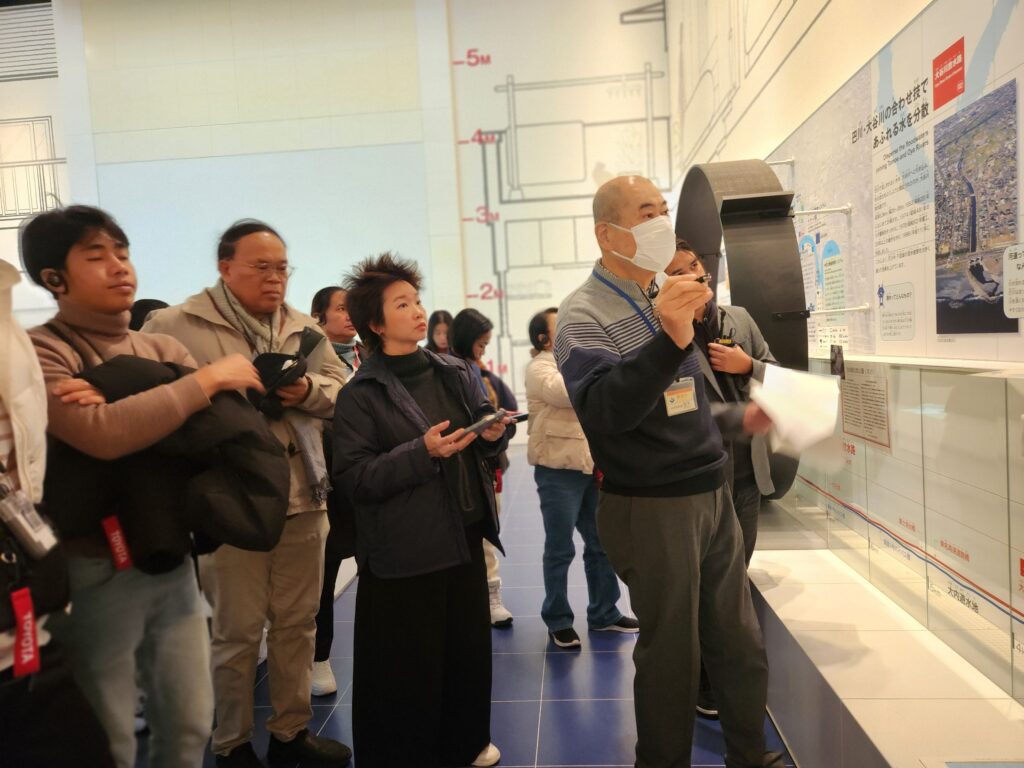
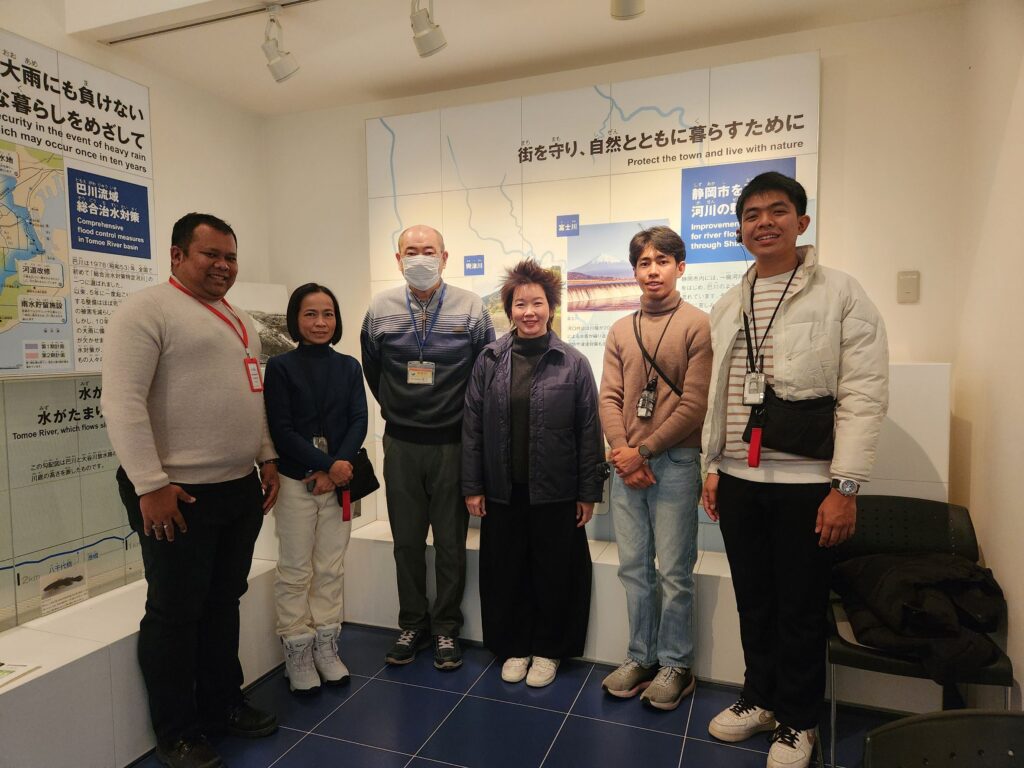
In Shizuoka City, the group explored a learning centre focused on flood control and water management, where exhibitions illustrate Japan’s integrated approach to managing flooding. Displays cover the city’s history of major flood events, river-basin geography, and the technologies and infrastructure used to prevent and mitigate disasters. The visit underscored the importance of basin-wide planning, rainwater storage, and community cooperation — lessons organisers said could inspire future adaptation in Thailand.
City-wide waste management and source separation
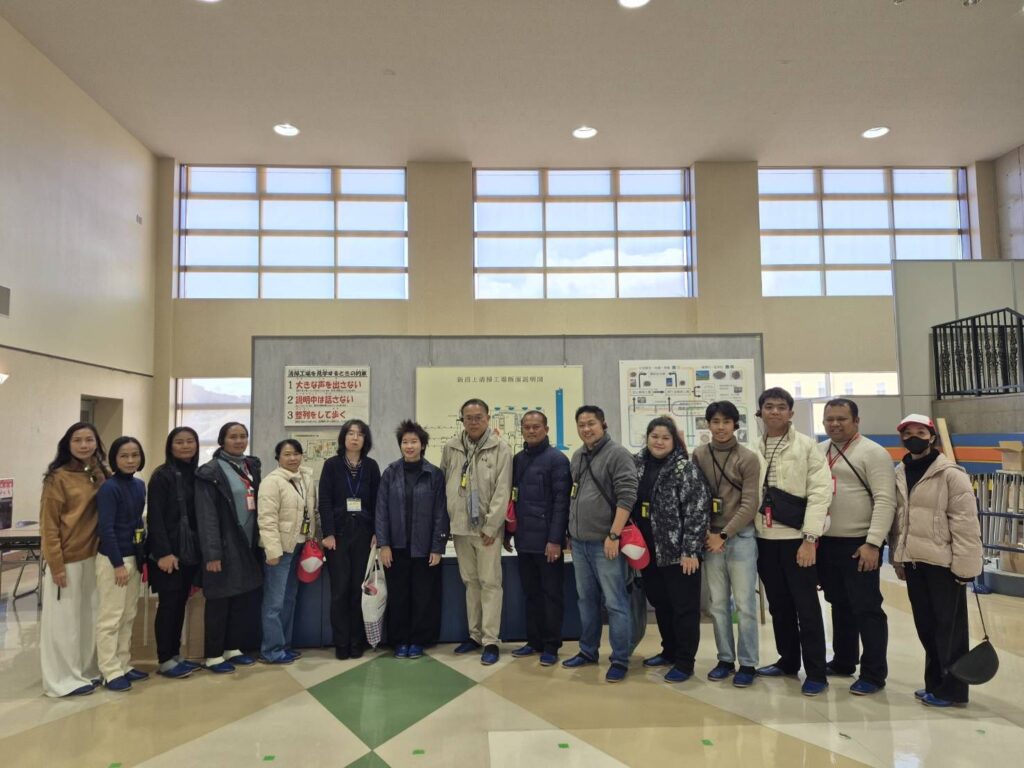
The delegation also toured a Shizuoka City waste management facility, learning how modern city-scale systems can reduce environmental impacts. A core message from the visit was the importance of separating waste at the source. Organisers said correct sorting increases recycling and reuse, reduces the amount of waste sent for incineration or landfill, and significantly lowers environmental harm — principles that could support more sustainable waste management in Thailand.
Clean-energy learning at the Tokyo Hydrogen Museum
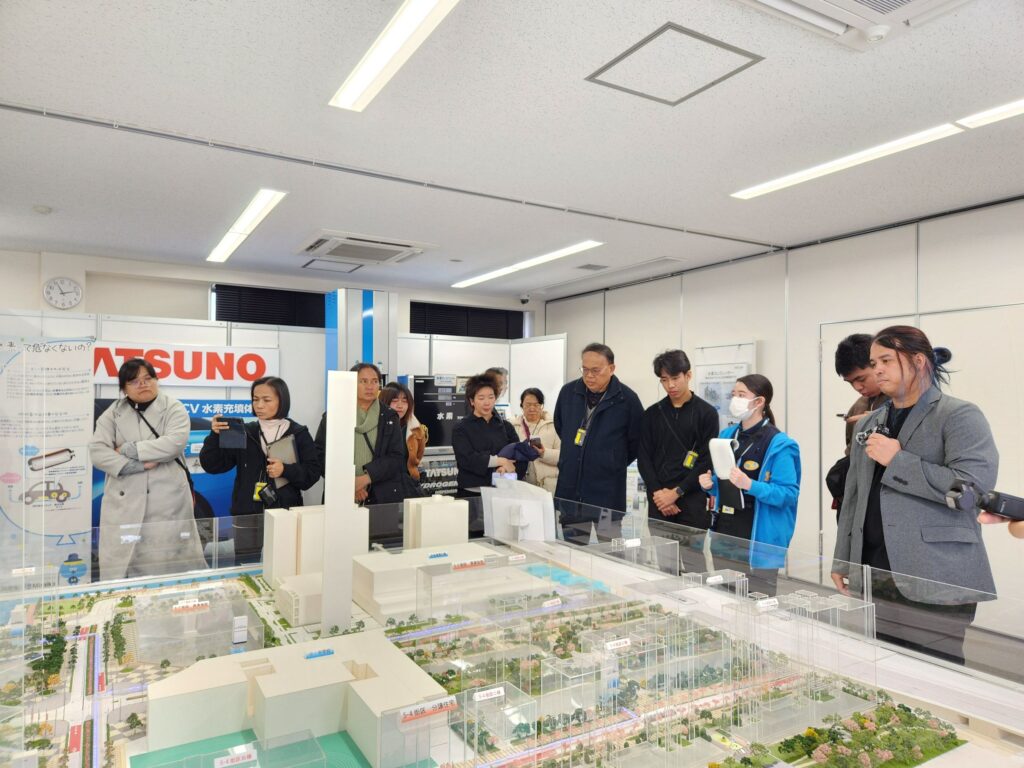
At the Tokyo Hydrogen Museum, participants were introduced to hydrogen as a clean-energy pathway — from production, storage and transport to real-world “hydrogen city” models. Interactive activities included simulations such as generating hydrogen through cycling and practising hydrogen vehicle refuelling scenarios, aimed at helping young people visualise how hydrogen technologies may contribute to decarbonisation. The programme also noted Japan’s ambition to have 5,000 hydrogen vehicles in use by 2030.
Organisers said the visit demonstrated how Japan prioritises environmental action across multiple fronts — nature conservation, water governance, systematic waste management and the serious development of clean-energy technology — leaving Thai participants with knowledge, inspiration and practical examples that can be adapted to strengthen sustainability in their communities and in Thailand over the long term.